MLB · 1989Modern Set Guide

The set that changed the hobby

1989 Upper Deck Baseball: The Set That Changed the Hobby

Premium stock, sharp photography, and an anti-counterfeiting hologram. At the center of it all: card #1.

The 1989 Upper Deck Baseball set marked a turning point in modern sports card collecting. With premium glossy stock, sharp photography, full-color card backs, and an anti-counterfeiting hologram, Upper Deck introduced a new standard for what a baseball card could be. At the center of it all was card #1: Ken Griffey Jr.'s iconic Star Rookie, one of the most recognizable rookie cards in the hobby.

For collectors and investors, the set offers more than a single headline card. It features future Hall of Famers, standout rookie cards, unusual variations, and condition-sensitive details that can make a meaningful difference when buying, grading, or building a complete set.

Released in 1989, Upper Deck's inaugural baseball set contained 800 cards across two series, and the combination of premium presentation and improved production quality helped establish a new direction for the hobby. Upper Deck wasn't simply offering another baseball card set. It was raising collectors' expectations.

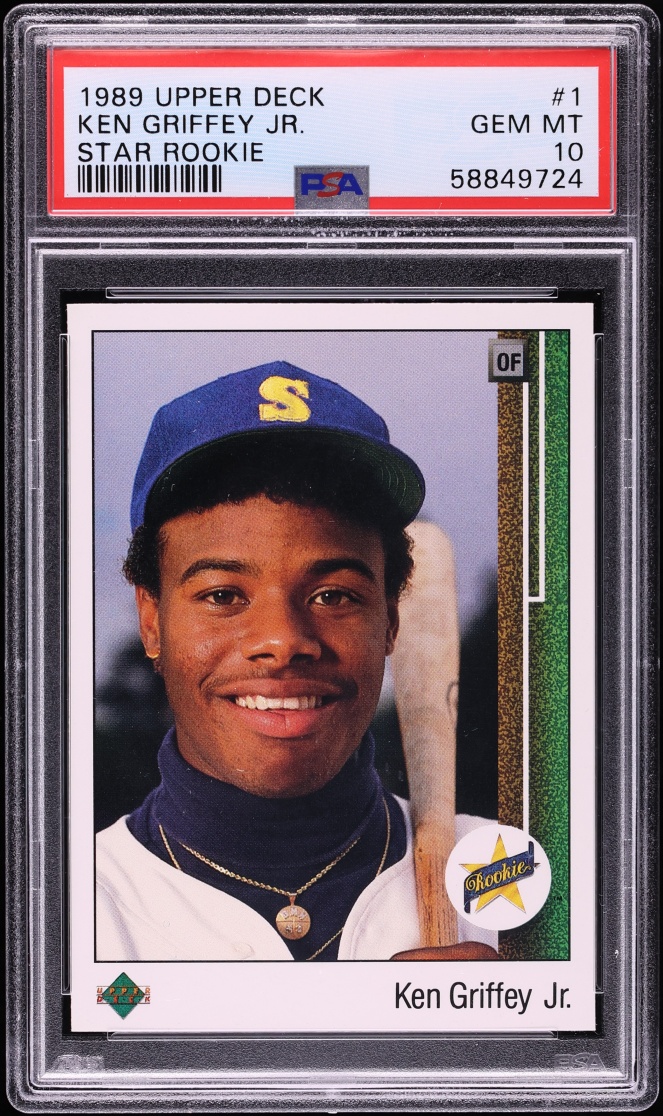
Ken Griffey Jr. #1 · 1989 Upper Deck Star Rookie · PSA 10

Free portfolio

Follow the players in this set.

Build your free portfolio to track their Players Invest Scores, card sales and market momentum every day.

Browse athletes

Players to collect

The rookie cards that anchor the set

Three rookie cards carry most of the set's modern demand. Each listing shows the exact card number, the series, the graded example pictured, and the supplied PSA price-guide figures for the base issue.

Ken Griffey Jr. #1 1989 Upper Deck · Series One
Star Rookie#1PSA 10

Ken Griffey Jr.

1989 Upper Deck · Series One

Griffey's Star Rookie is the signature card of the 1989 Upper Deck set. His combination of athletic ability, personality, and lasting popularity helped make the card a modern hobby icon.

The card's position as the set's first card adds to its historical significance, but it does not make it scarce. Large numbers have been produced and submitted for grading, so condition is a major factor in determining value.

Collector focus: the #1 Star Rookie is the natural centerpiece for this set. Compare raw copies with graded examples, and evaluate centering, corners, surface scratches, and overall eye appeal before paying a premium for a high grade.

PSA price guide · base issue

NM-MT 8
$85+
MT 9
$230−
GEM-MT 10
$2,050−

Ken Griffey Jr. Star Rookie · reference figures, not guaranteed selling prices. Verify current sales.
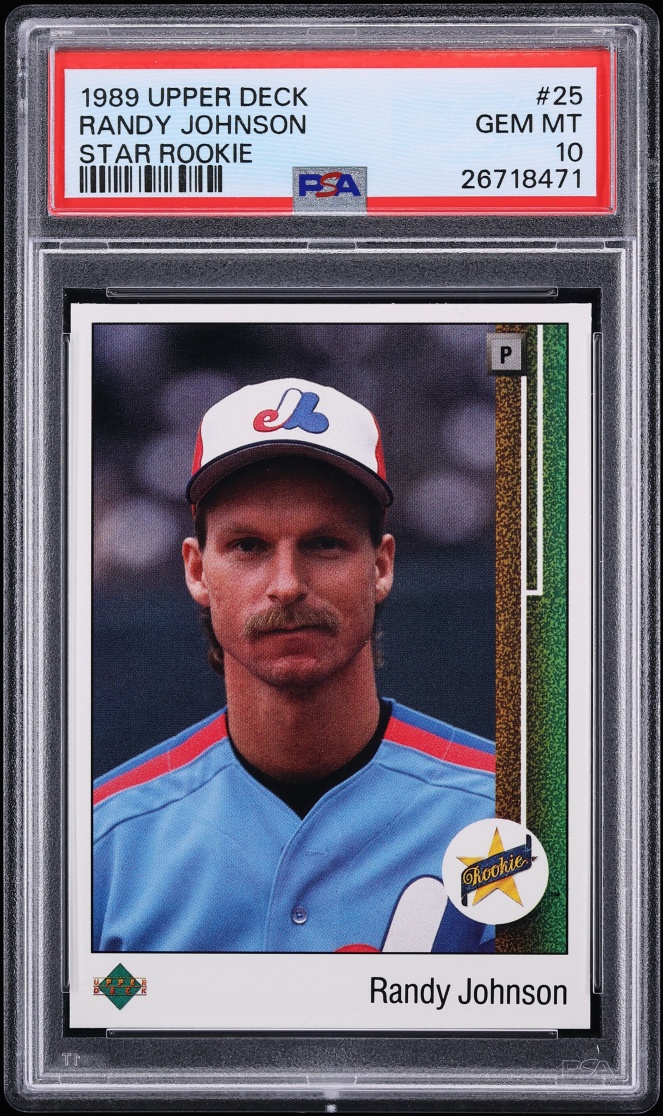
Randy Johnson #25 1989 Upper Deck · Series One
Star Rookie · Hall of Famer#25PSA 10

Randy Johnson

1989 Upper Deck · Series One

Randy Johnson's Star Rookie captures the early career of one of baseball's most dominant pitchers. His Hall of Fame career gives this card enduring historical appeal beyond its place in the set.

Collector focus: a key rookie for collectors building a Hall of Fame portfolio or comparing the set's most important rookie cards.

PSA price guide · base issue

NM-MT 8
$10+
MT 9
$15
GEM-MT 10
$135

Randy Johnson Star Rookie · reference figures, not guaranteed selling prices. Verify current sales.
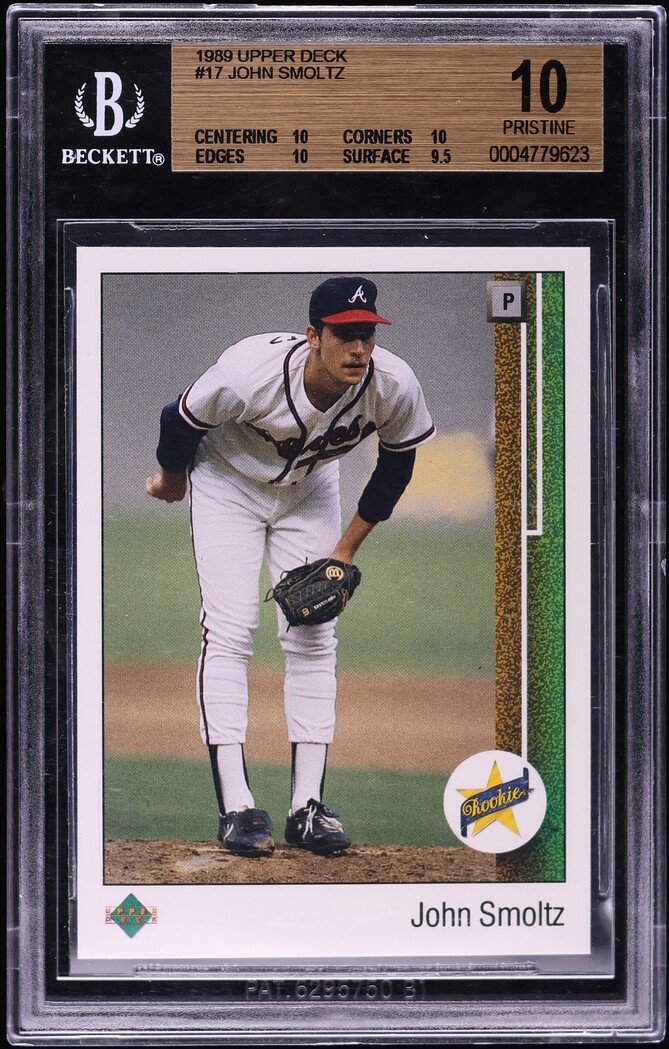
John Smoltz #17 1989 Upper Deck · Series One
Star Rookie · Hall of Famer#17BGS 10

John Smoltz

1989 Upper Deck · Series One

John Smoltz became one of the defining pitchers of his generation and earned a place in the Baseball Hall of Fame. His Star Rookie adds another major career to the set's rookie lineup.

Collector focus: a more accessible way to collect a Hall of Fame pitcher from the same landmark release.

PSA price guide · base issue

NM-MT 8
$10+
MT 9
$15+
GEM-MT 10
$50−

John Smoltz Star Rookie · reference figures, not guaranteed selling prices. Verify current sales.
The rest of the checklist

Established stars, key rookies, and variation cards

Griffey's #1 is the headline, but the checklist runs 800 cards deep with Hall of Fame veterans, notable rookies from the Star Rookie run, and the error and variation cards collectors ask about most. Established names like Tony Gwynn, George Brett, Kirby Puckett, and Mike Schmidt give collectors several ways to approach the set.

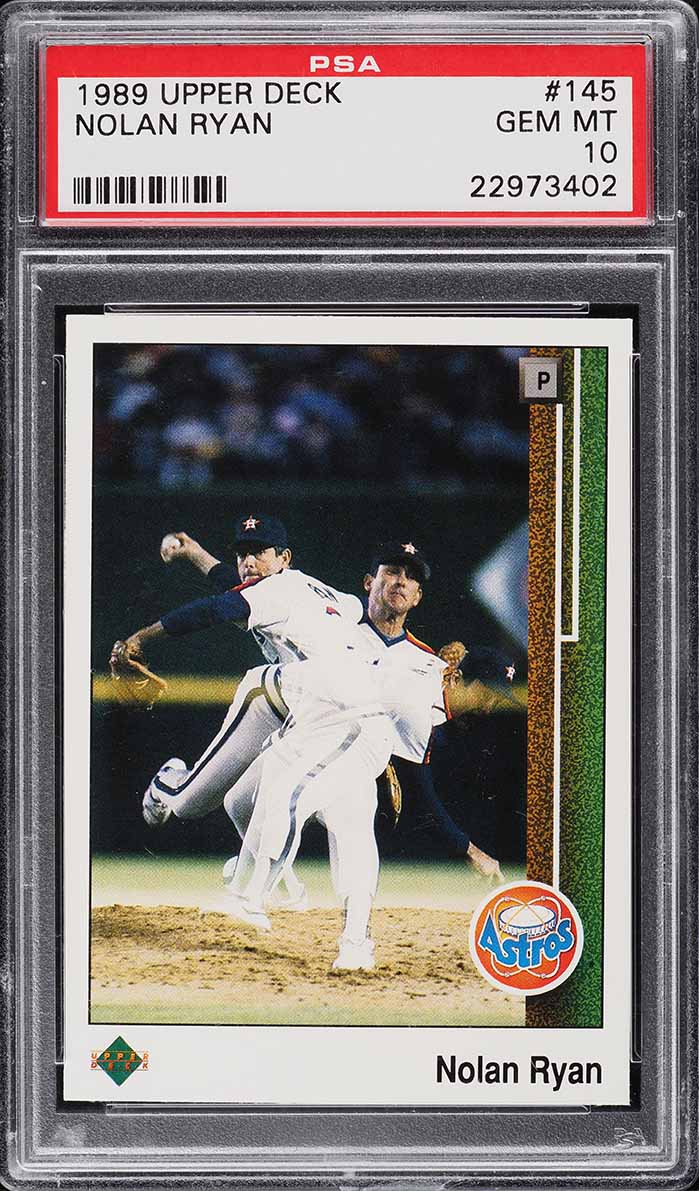
Nolan Ryan #145 card
#145PSA 10

Nolan Ryan

Ryan's legendary longevity and strikeout record make him one of the set's most recognizable veteran stars. Card #145 is known for its distinctive triple-exposure photograph, a detail collectors check when comparing copies.

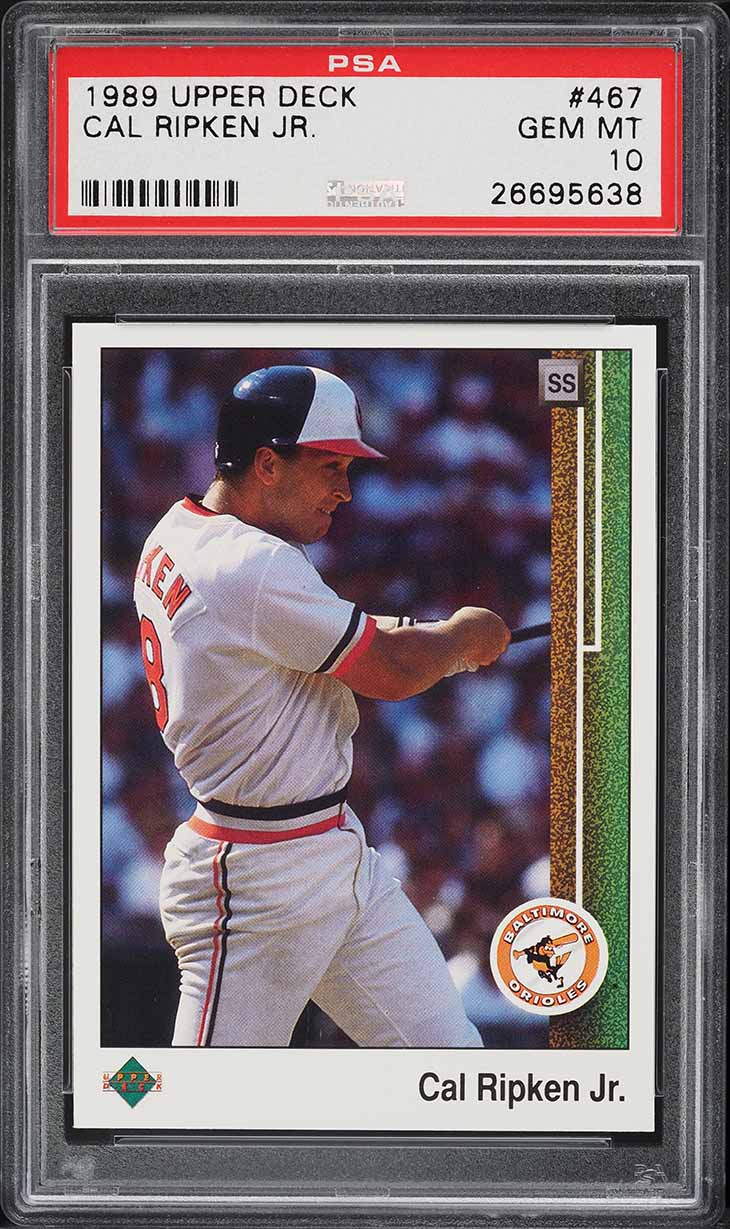
Cal Ripken Jr. #467 card
#467PSA 10

Cal Ripken Jr.

Ripken's consecutive-games record and Hall of Fame career keep his cards in steady demand. High-grade examples depend heavily on centering and clean corners.

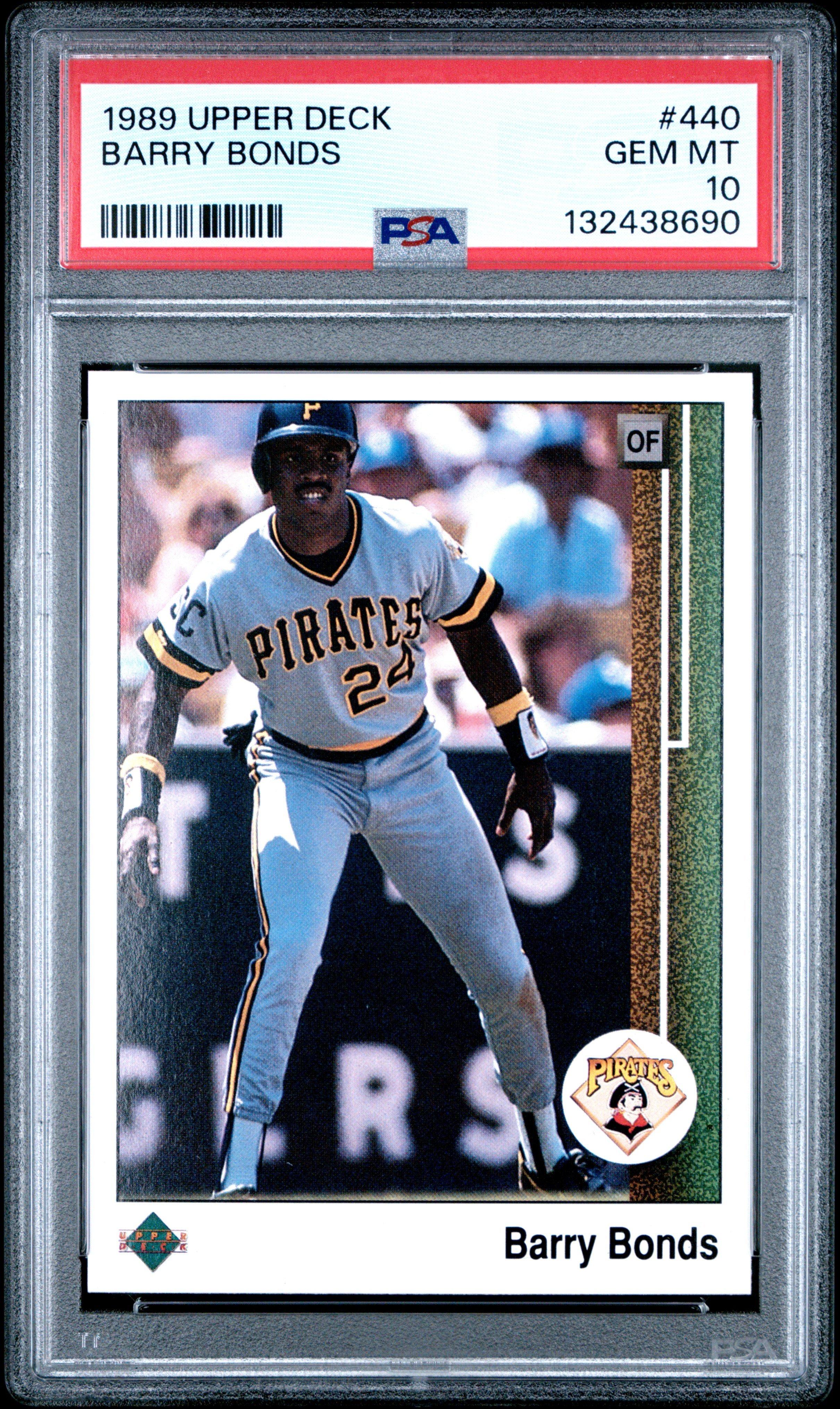
Barry Bonds #440 card
#440PSA 10

Barry Bonds

Bonds' Pittsburgh years are captured on card #440. His long career and name recognition keep demand steady, so grade and centering carry much of the premium.

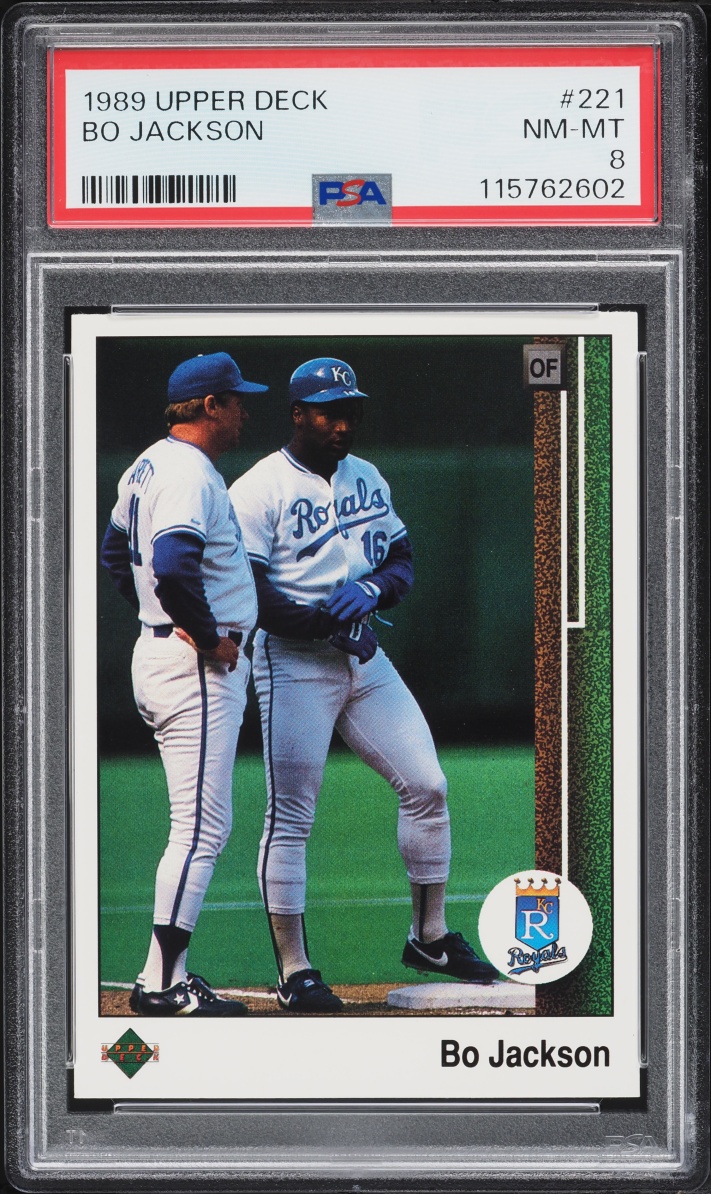
Bo Jackson #221 card
#221PSA 8

Bo Jackson

Jackson's two-sport stardom gives his cards crossover appeal beyond baseball collectors. The card is common in circulation, so condition and grade separate the better examples.

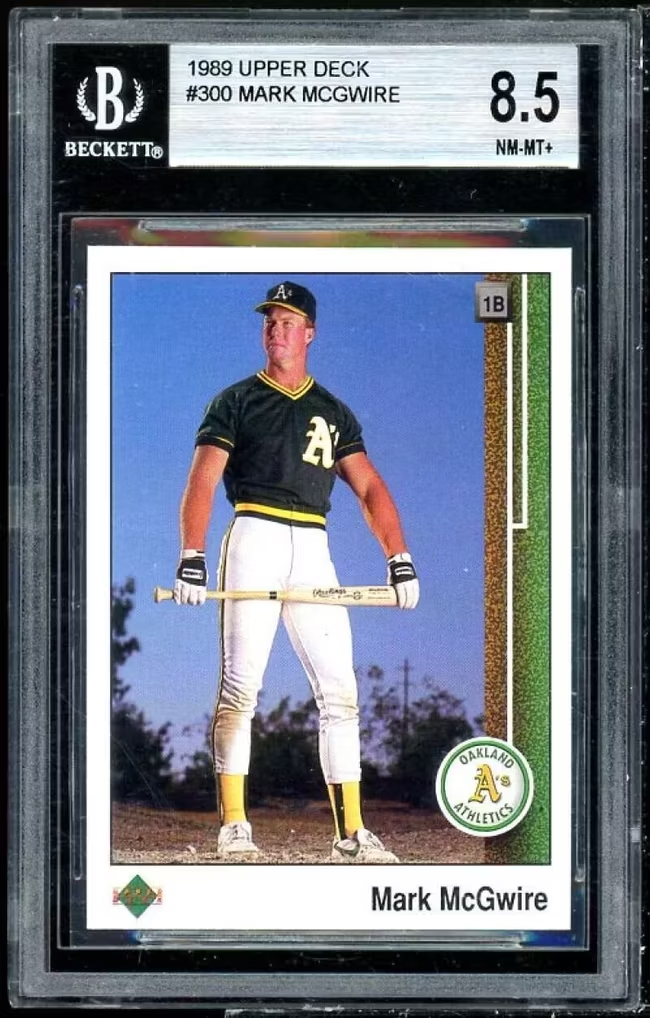
Mark McGwire #300 card
#300BGS 8.5

Mark McGwire

McGwire's late-1980s power production made him one of the set's most recognizable young stars, and demand has followed his home-run history. The card is plentiful, so grade, centering, and eye appeal separate the better examples.

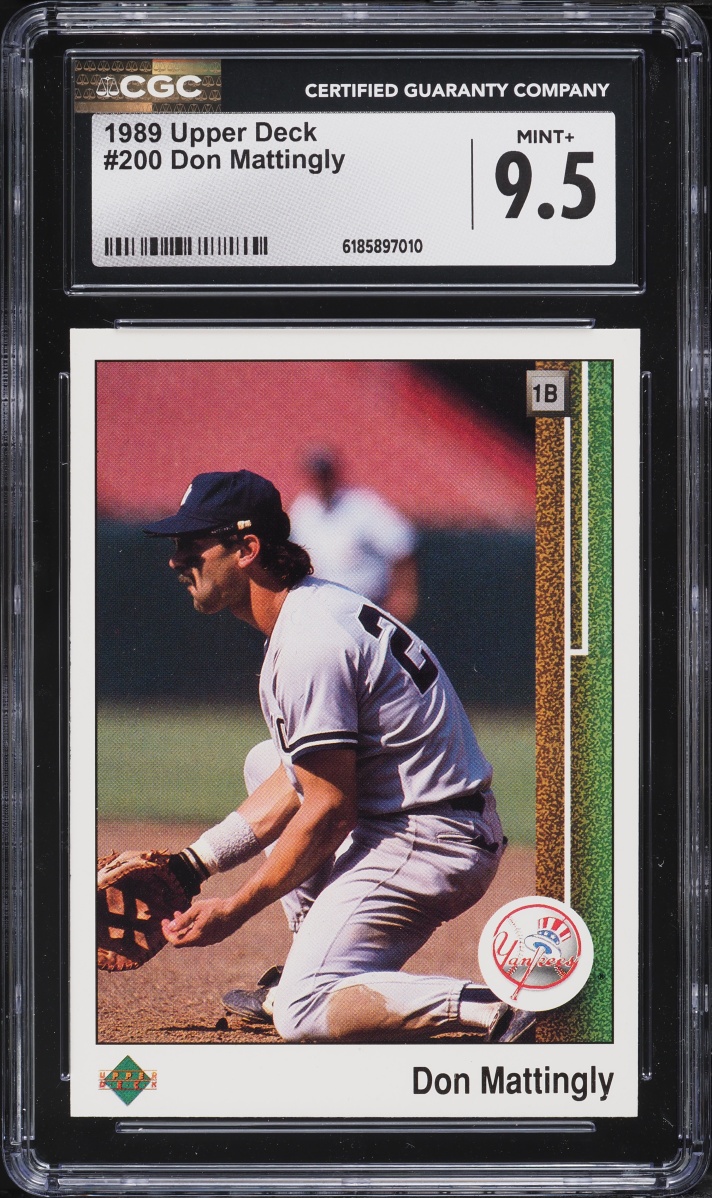
Don Mattingly #200 card
#200CGC 9.5

Don Mattingly

Mattingly's peak years made him one of the defining stars of the late 1980s, and his Yankees following keeps his cards in demand across player and team collections.

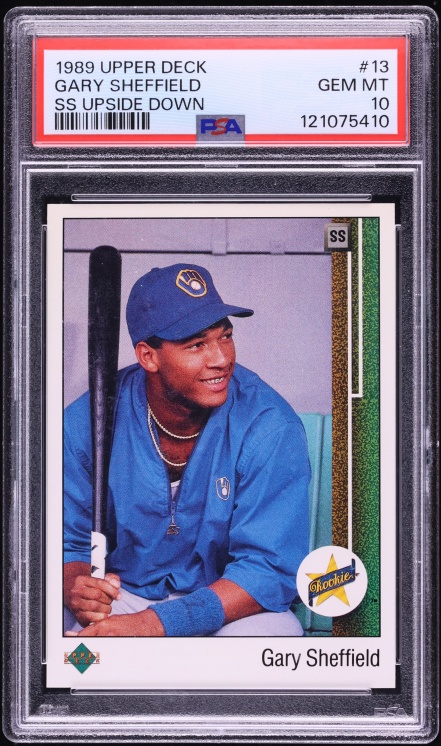
Gary Sheffield #13 card
#13PSA 10

Gary Sheffield

Sheffield's Star Rookie sits in the opening run of the set. Some examples show the position abbreviation "SS" printed upside down on the front, a documented error that is not automatically a valuable rarity.

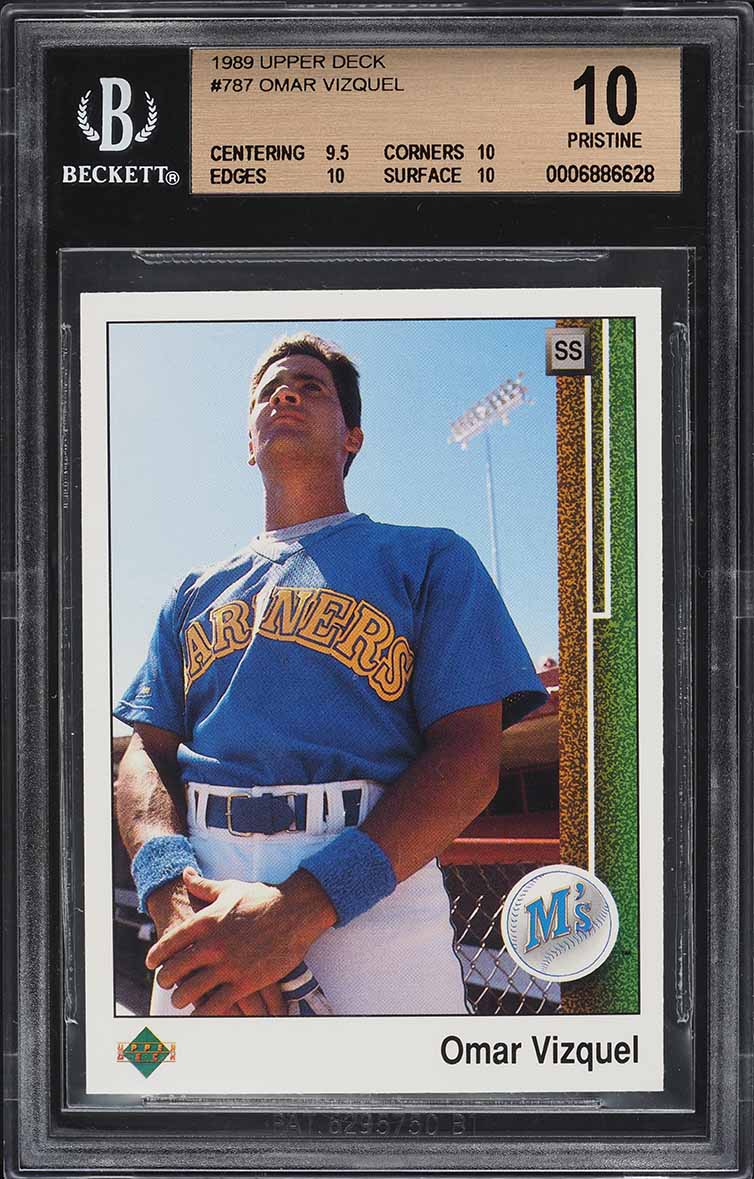
Omar Vizquel #787 card
#787BGS 10

Omar Vizquel

Vizquel's rookie card closes the high-number series, another notable defensive career that gives set builders a reason to finish the checklist.

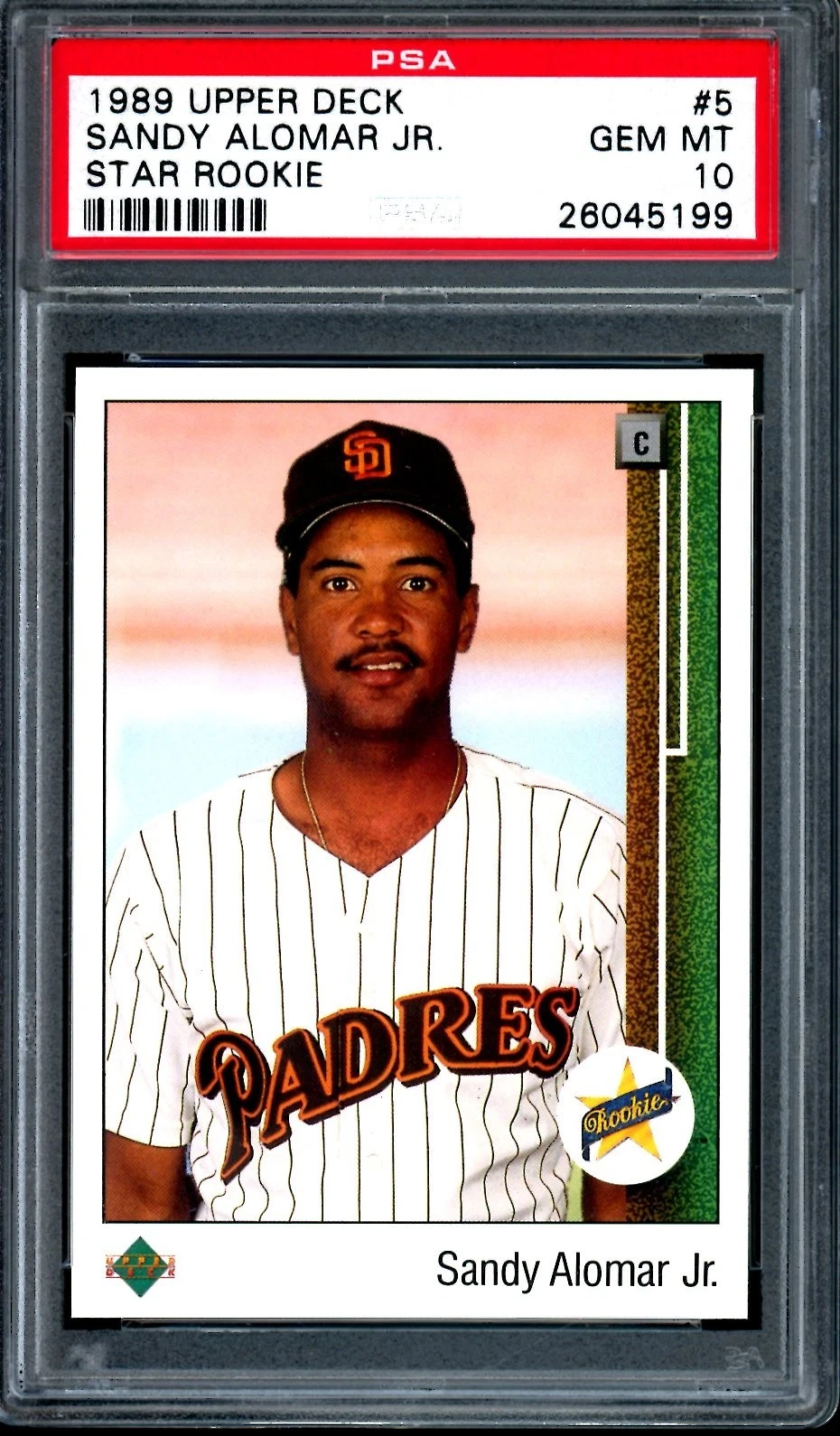
Sandy Alomar Jr. #5 card
#5PSA 10

Sandy Alomar Jr.

Alomar's Star Rookie comes from the opening sequence of the set. His career as an All-Star catcher makes him a worthwhile addition for collectors interested in the era's prominent players.

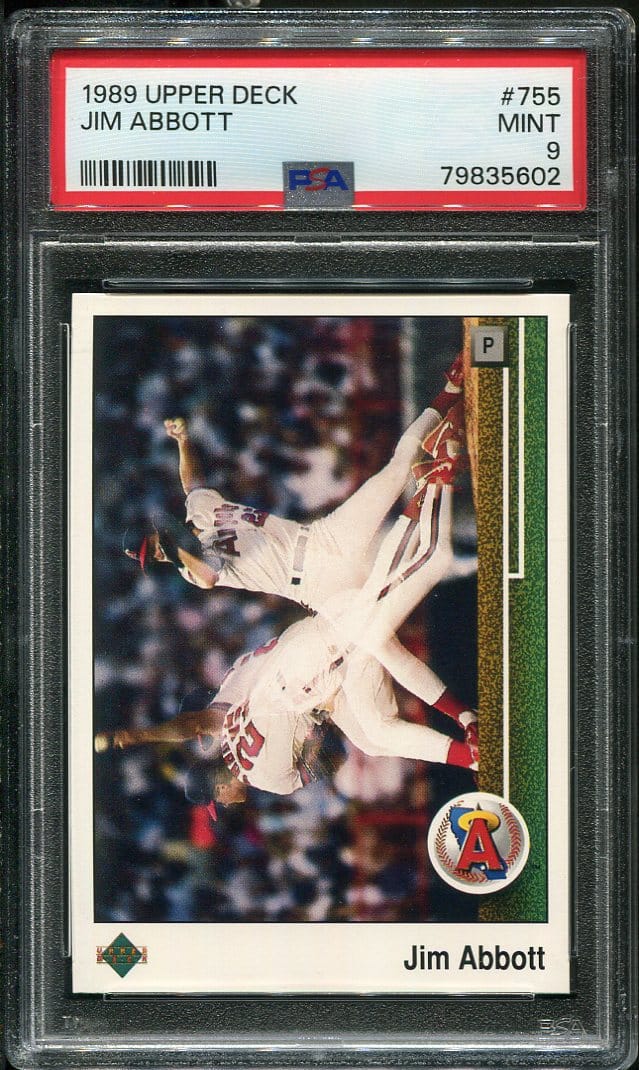
Jim Abbott #755 card
#755PSA 9

Jim Abbott

Abbott's rookie card appears in the high-number series. A memorable high-number rookie whose story extends well beyond the statistics.

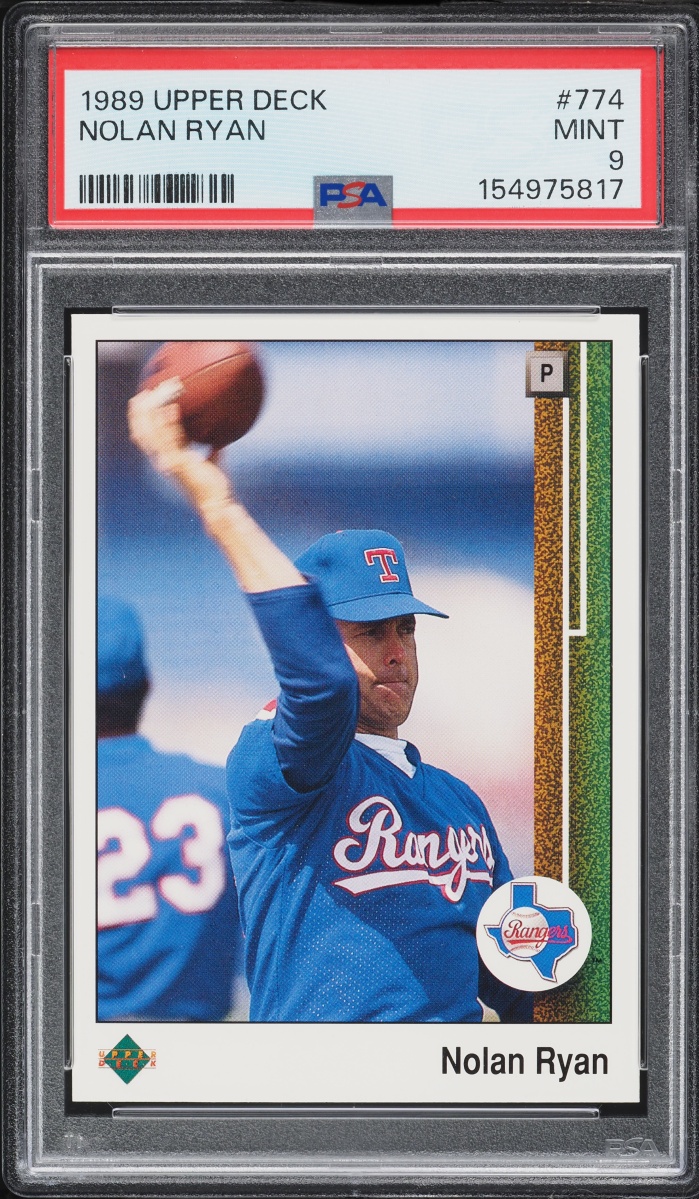
Nolan Ryan #774 card
#774PSA 9

Nolan Ryan

The second Ryan card in the checklist, from the high-number series. It is often described as the football card, one of the set's most talked-about photographs and a card that stands out from the rest of the run.

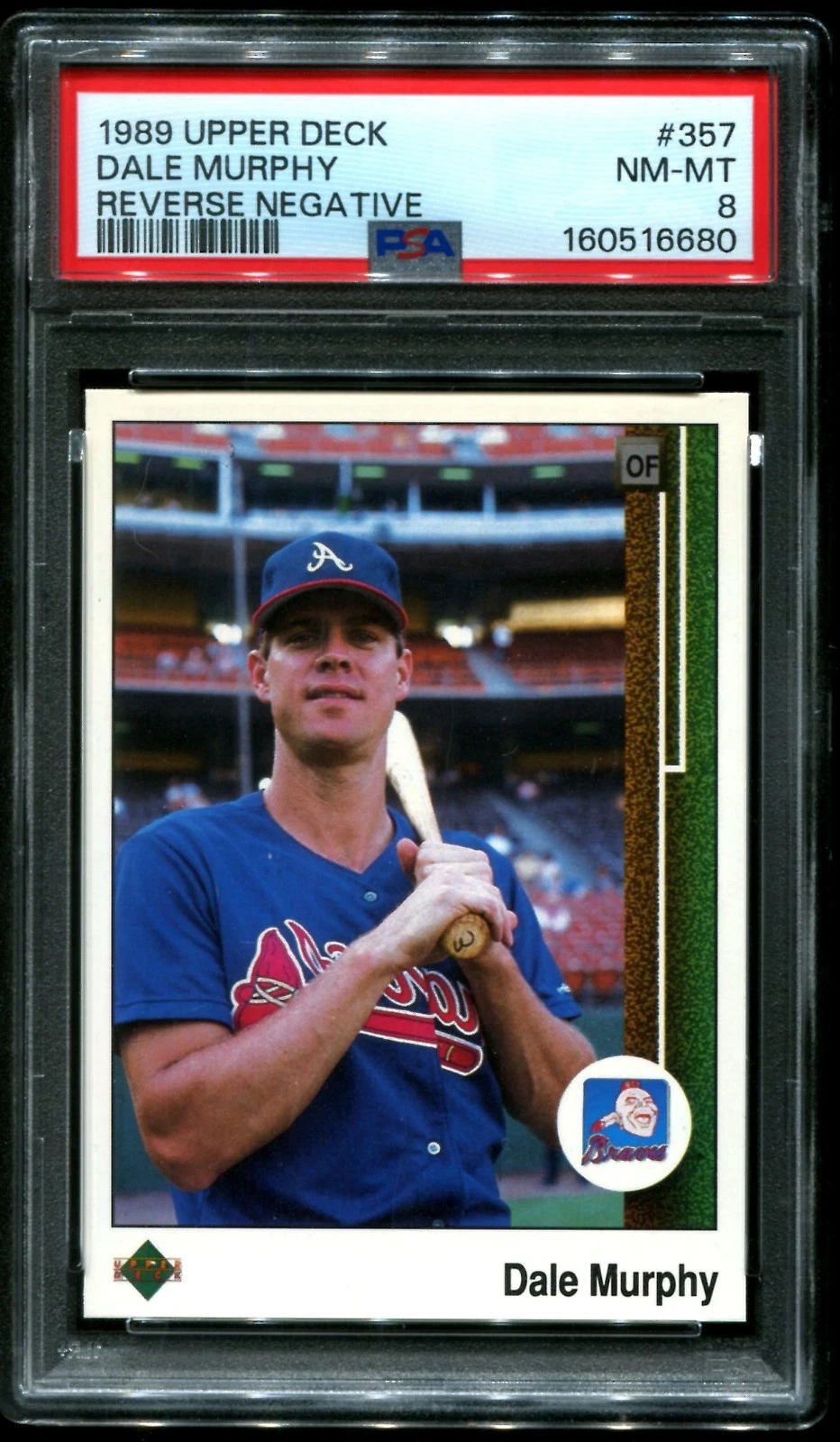
Dale Murphy #357 card
#357PSA 8

Dale Murphy

Card #357 is known for a reverse-negative error variation. It is less common than the corrected card and is a distinct item for error-card collectors, so identification and authentication matter.

Subsets

Key cards and subsets beyond #1

The Star Rookie run covers cards #1-26 and groups many of the set's most notable rookies together. The Award Winners subset (#658-667) recognizes leading players and achievements, while the Collector's Choice art cards (#668-693) use illustrated artwork rather than photographs.

Two Ryan cards are worth knowing by number: #145 for its triple-exposure photograph and #774 for the football-throwing image. The high-number series (#701-800) reached collectors as a separate release, so those cards share the checklist but not the same buying experience.

Star Rookie run

#1-26

Award Winners

#658-667

Collector's Choice art

#668-693

Version check

Series One vs. High Number Series

1989 Upper Deck arrived in two series. The first series covered cards #1-700, while the high-number series carried cards #701-800. High-series packs also included a mix of cards from the first series.

Series One

  • Cards #1-700, including the full Star Rookie run
  • Home to Griffey Jr. #1, Smoltz #17, and Randy Johnson #25
  • Widely available through packs and retail formats

High Number Series

  • Cards #701-800, the back half of the checklist
  • Includes Jim Abbott #755 and Omar Vizquel #787
  • Packs mixed in first-series cards as well

The practical difference is checklist position and availability. Series One carries the set's headline rookies, while the high-number series finishes the 800-card checklist and is the harder half for set builders to complete from unopened product.

The collecting takeaway: judge each card on the player, condition, grade, and recent sales rather than on the series it came from.

Value drivers

What makes a 1989 Upper Deck card valuable?

The set is widely available, so the value of an individual card usually depends on the player, condition, grade, and collector demand rather than scarcity alone.

Player demand: Griffey Jr. leads the set, while Hall of Famers and notable rookies attract their own collector bases.

Grade: a card that looks clean to the eye may still receive a lower grade due to centering, corners, edges, or surface issues.

Surface condition: the glossy finish can scratch, particularly when cards have been handled or stored together.

Hologram condition: damage to the reverse hologram can undermine an otherwise strong example.

Authentic variations: confirm that an error or variation is recognized before paying a premium.

Grading can make sense for particularly desirable cards in excellent condition, but submitting a card is not a guarantee of a higher return. Grading fees, shipping, selling costs, and market demand all factor into the decision.

Error cards

Errors and variations worth knowing

Not every unusual-looking 1989 Upper Deck card is rare or valuable. Understanding the difference between a genuine variation and a common production flaw is important when evaluating a collection.

Dale Murphy reverse-negative error (#357): the best-known error in the set features a reverse-negative image of Murphy. The variation is less common than the corrected card and is a distinct item for error-card collectors. Authentication and accurate identification matter when evaluating one.

Gary Sheffield Star Rookie (#13): some examples have the position abbreviation "SS" printed upside down on the front. This error is documented, but it should not automatically be treated as a valuable rarity.

Hologram and printing issues: some cards have missing or duplicated holograms. These production flaws are not necessarily rare or desirable, and a missing or damaged hologram can also affect a card's condition and grading prospects.

When comparing versions, confirm that an error or variation is recognized, inspect both sides of the card, and compare recent sales for the exact card before paying a premium.

The Players Invest Perspective

1989 Upper Deck is the rare set that changed how cards were made. The premium stock, the photography, and the hologram raised expectations, and card #1 gave the hobby one of its most recognizable rookies.

The value lesson is different. Because the set is widely available, an individual card's worth comes down to player demand, condition, grade, and collector interest rather than scarcity. Glossy surfaces scratch, holograms can be damaged, and centering decides more grades than most collectors expect.

Understand the card, verify its condition, compare recent completed sales, and buy with a clear collecting or investment goal in mind. Players Invest helps you track what drives athlete value.

We use cookies

Players Invest uses essential cookies to run the site, plus analytics and advertising cookies to understand how visitors use it and to measure our marketing. You can accept or decline the non-essential ones. Privacy Policy